
The Ultimate Indoor Air Quality Health Effects Guide for a Healthier Home
This indoor air quality health effects guide is designed for Dallas homeowners, families, and property managers who want a clear understanding of how the air inside their home affects day-to-day health, comfort, and long-term wellness. According to the U.S. Environmental Protection Agency, most people spend roughly 90 percent of their time indoors, and indoor pollutant concentrations can run two to five times higher than the air outside. Whether you are dealing with persistent dust, unexplained headaches, or a home that simply feels stuffy, the information below will help you identify what might be going wrong and what practical steps you can take to breathe easier in Dallas, TX.
Key Takeaways
- Indoor air can be 2–5× more polluted than outdoor air, posing serious short- and long-term health risks.
- Short-term symptoms include headaches, coughing, and fatigue; long-term exposure is linked to respiratory disease, heart disease, and cancer.
- Dallas humidity creates ideal conditions for mold, dust mites, and biological growth inside ductwork.
- Maintaining 30–50% indoor humidity, replacing filters regularly, and scheduling professional duct cleaning are critical steps.
- Children, older adults, allergy sufferers, and remote workers are most vulnerable to poor indoor air quality.
- Professional air duct cleaning, mold remediation, and UV light installation offer whole-home protection.
Why Does Indoor Air Quality Matter More Than Most People Think?
Many Dallas homeowners assume that closing windows and running the air conditioner keeps pollutants out. In reality, a sealed home can trap contaminants that have nowhere to go. Cooking fumes, cleaning product vapors, pet dander, dust mites, and microscopic mold spores accumulate in carpets, furniture, and especially inside ductwork over time. Without adequate ventilation or filtration, these particles recirculate every time the HVAC system kicks on. Over months and years, that buildup creates an indoor environment that can quietly affect how you feel, how well you sleep, and how efficiently your body recovers from everyday stress. Investing in professional air duct cleaning is one practical way to reduce that hidden load and help your system deliver cleaner air throughout the home.
Short-Term Health Risks of Poor Indoor Air Quality
When indoor air quality drops, the body often reacts quickly. Short-term symptoms associated with polluted indoor environments include eye irritation, a scratchy or sore throat, frequent sneezing, nasal congestion, mild headaches, dizziness, and unusual fatigue. Health professionals sometimes group these complaints under the term “Sick Building Syndrome.” The key clue is timing: if your headache fades within an hour of leaving the house, or if your child stops coughing after a weekend away, the indoor environment deserves a closer look. Combustion byproducts from gas stoves, furnaces, or water heaters can also produce carbon monoxide at low levels, causing flu-like symptoms that clear up once you step outside. These short-term effects are your body’s early warning system, and ignoring them can allow exposure to continue unchecked.
Recognizing Symptoms of “Heavy” Indoor Air
Frequent headaches or a foggy, unfocused feeling while you are at home may point to poor ventilation or elevated volatile organic compound levels. Unexplained coughing, sneezing, or throat irritation that does not align with a cold or seasonal pattern is another signal. If asthma attacks or allergic reactions increase in frequency indoors, hidden biological growth could be a contributing factor. Persistent respiratory issues are sometimes tied to fungal contamination that is not visible to the naked eye, which is why expert mold remediation may be a necessary step when symptoms refuse to improve despite basic cleaning efforts.
Long-Term Wellness Impacts and Chronic Conditions
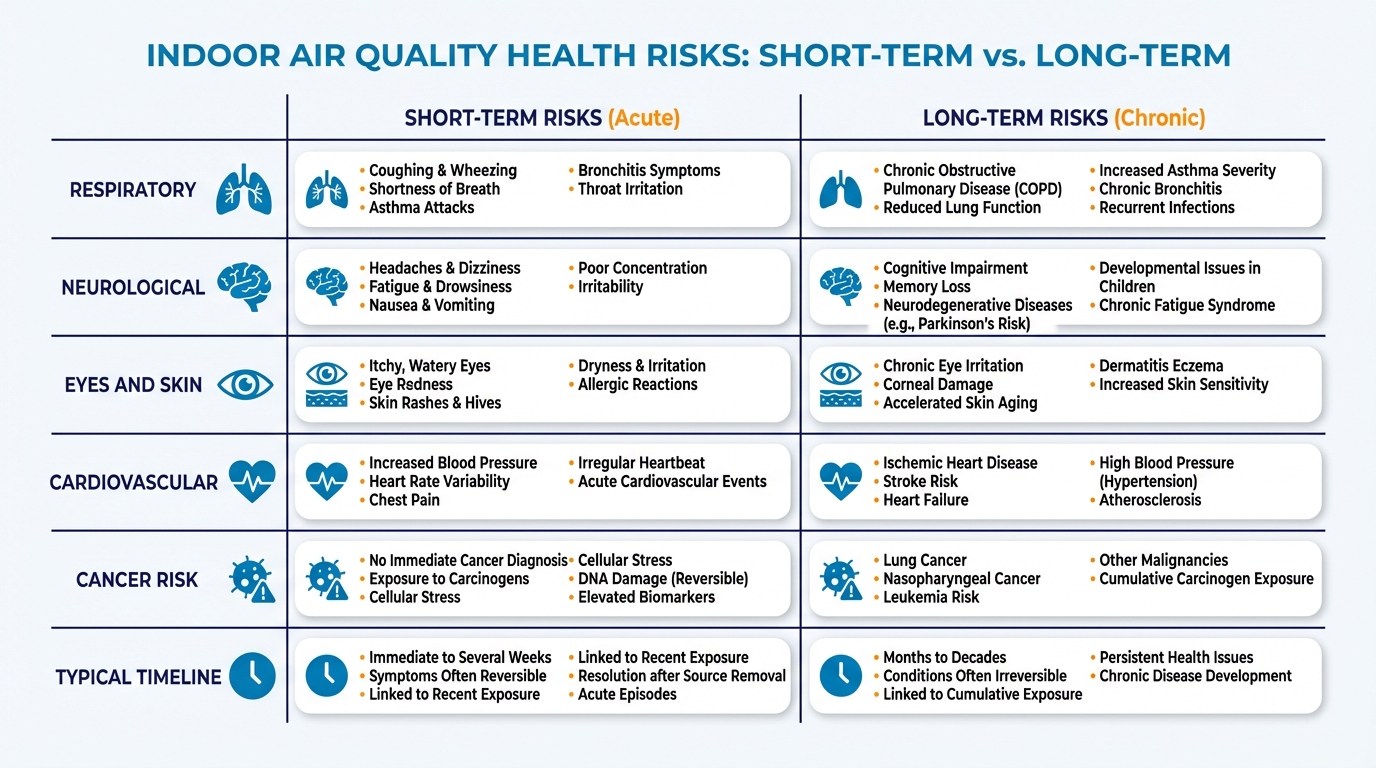
Beyond the immediate discomfort, prolonged exposure to poor indoor air carries more serious consequences. The EPA links long-term indoor pollutant exposure to respiratory diseases, cardiovascular problems, and certain cancers. One of the most significant invisible threats is radon, an odorless, colorless gas that can seep into homes through foundations and accumulate to dangerous levels. The EPA recommends that homes be mitigated if radon levels reach 4 pCi/L or higher. Years of breathing low-level volatile organic compounds released by furniture, paint, adhesives, and household cleaners can also contribute to chronic respiratory irritation. Framing indoor air quality as part of your overall wellness strategy, rather than a one-time cleaning task, helps protect your family against risks that develop slowly and silently.
⚠️ Don’t wait for symptoms to become chronic. Over 1,200 Dallas families trusted Clean Air Dallas Pro last year to improve their indoor air.
Schedule Your Free Air Quality Assessment →
Limited availability during peak Dallas summer season. Book early to secure your spot.
A Comparison of Short-Term Versus Long-Term Indoor Air Quality Health Risks
| Category | Short-Term Effects | Long-Term Effects |
|---|---|---|
| Respiratory | Coughing, sneezing, throat irritation | Chronic bronchitis, worsened asthma, respiratory disease |
| Neurological | Headaches, dizziness, brain fog | Persistent fatigue, difficulty concentrating |
| Eyes and Skin | Burning eyes, skin rash | Chronic dermatitis, ongoing eye sensitivity |
| Cardiovascular | Generally not noticeable | Increased risk of heart disease over years of exposure |
| Cancer Risk | Not applicable for brief exposure | Radon and certain VOCs linked to lung cancer |
| Typical Timeline | Minutes to days after exposure | Years of repeated or continuous exposure |
This table illustrates why addressing indoor air quality early matters. Short-term symptoms are reversible, but chronic exposure can lead to conditions that are far harder to manage.
Common Indoor Pollutants Found in Dallas Homes
Dallas homes face a unique combination of challenges driven by the local climate. High summer humidity encourages biological growth inside walls, around HVAC components, and within ductwork. The CDC recommends keeping indoor humidity at or below 50 percent to prevent mold growth and associated respiratory infections. When humidity rises above that threshold, dust mites also thrive, producing allergens that circulate through the HVAC system. Pet dander, pollen tracked indoors, and fine particulate matter from nearby traffic or construction sites add to the mix. According to the Texas Department of Licensing and Regulation, mold exposure can cause burning eyes, skin irritation, and wheezing, and these effects vary widely from person to person.
VOCs and Chemical Vapors
Volatile organic compounds are released by new carpets, fresh paint, adhesives, cleaning supplies, and even some air fresheners. These chemicals evaporate at room temperature and can linger in a poorly ventilated home for weeks or months. Dallas homeowners should also be aware of a less obvious source: vapor intrusion, a process where chemical vapors from contaminated soil or groundwater migrate upward into indoor air. The Texas Department of State Health Services notes that health effects depend on the specific chemical and level of exposure, which makes professional assessment important when unexplained odors persist.
Does Mold Affect Indoor Air Quality and Health?
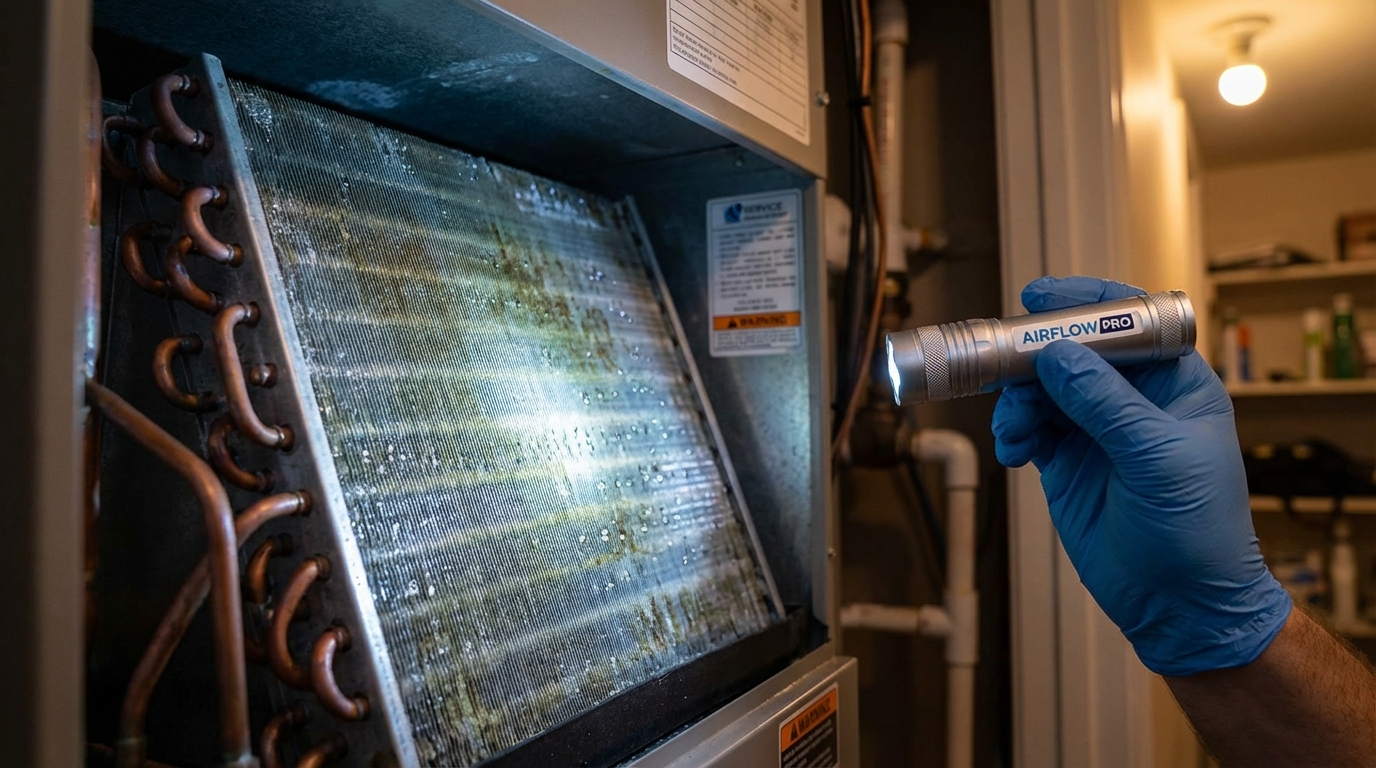
Yes, and often more than homeowners realize. Mold is one of the most significant biological contributors to poor indoor air in Dallas. It does not always present as visible black spots on a wall. Growth can hide behind drywall, inside air handlers, around leaking windows, or within the crawl space. A musty smell is frequently the first and only clue. When mold spores become airborne and enter the HVAC system, they circulate throughout the entire home. The result can be nasal congestion, chronic coughing, wheezing, and aggravated allergy or asthma symptoms. If you suspect mold but cannot see it, professional testing and mold remediation are the most reliable path forward.
Can High Humidity Make Indoor Air Quality Worse?
Absolutely. Elevated humidity does not just make a home feel uncomfortable. It creates the conditions that biological contaminants need to multiply. Mold, mildew, bacteria, and dust mites all flourish when moisture levels climb. In Dallas, seasonal humidity combined with well-sealed modern construction can trap moisture inside the home even when the air conditioning runs continuously. Homeowners often describe the feeling as a “sticky” or “heavy” atmosphere, sometimes accompanied by condensation on windows or a damp odor near vents. Addressing humidity is not just about comfort. It is a foundational step in protecting indoor air quality and the respiratory health of everyone in the household.
What Happens When Dallas Summers Push Indoor Humidity Too High?
Dallas summers bring extended periods of heat and moisture that challenge even well-maintained HVAC systems. When the cooling system is undersized, the refrigerant charge is low, or the evaporator coil is dirty, the unit may cool the air without removing enough moisture. The result is a home that reaches the set temperature but still feels clammy. Over time, that excess moisture migrates into ductwork, insulation, and building materials, creating hidden pockets where biological growth can take hold. One advantage of working with a local, experienced team like Clean Air Dallas Pro is that technicians understand these Dallas-specific humidity patterns and can assess whether your system is dehumidifying effectively or simply masking the problem.
What Is a Healthy Indoor Humidity Level?
For most homes, a balanced indoor humidity level falls between roughly 30 and 50 percent. When levels drop below that range, you may notice dry skin, scratchy throat, and static electricity. When levels climb above that range, condensation appears on windows, fabrics feel damp, and musty odors develop. A simple hygrometer, available at most hardware stores, can give you a quick reading. If your home consistently registers above 50 percent despite running the air conditioner, the underlying cause may involve duct leaks, poor insulation, an aging HVAC system, or inadequate ventilation in bathrooms and kitchens.
How Do I Know if My Home Has Poor Air Quality?
There is no single test that covers every possible indoor pollutant, but several observable signs can help you assess the situation. Dust that reappears on surfaces within a day or two of cleaning suggests that your filtration or ductwork may need attention. Stale or musty odors near vents point to biological buildup. Rooms that feel stuffy even when the system runs could indicate airflow restrictions. Visible moisture around windows, walls, or ceilings is a strong clue that humidity is not being managed effectively. And, as discussed earlier, recurring symptoms that fade away from home are one of the clearest indicators that something in the indoor environment needs to change.
| Warning Sign | Possible Cause | Recommended Action |
|---|---|---|
| Rapid dust buildup on surfaces | Dirty ductwork, clogged filter | Inspect ducts and replace filter |
| Musty or stale odor from vents | Mold or biological growth in HVAC | Professional inspection and cleaning |
| Condensation on windows | Humidity above recommended range | Check dehumidification and ventilation |
| Headaches that improve outdoors | VOCs, CO, or poor ventilation | Ventilate, test for CO, inspect combustion appliances |
| Uneven airflow between rooms | Duct leaks, blockages, or damage | Airflow testing and duct repair |
| Increased allergy symptoms at home | Allergens circulating through ducts | Air quality testing and duct sanitizing |
Who Is Most at Risk from Poor Indoor Air Quality?
Certain groups are more vulnerable to indoor air pollutants than others. Infants and young children breathe more air relative to their body weight than adults, and their developing respiratory systems are more sensitive to irritants. Older adults, particularly those with existing heart or lung conditions, face higher risks from even modest pollutant levels. People with asthma or allergies may experience flare-ups triggered by dust mites, mold spores, or pet dander circulating through the home. Pregnant women exposed to elevated VOCs or combustion byproducts may face additional concerns. Anyone who works from home or spends long hours indoors accumulates more exposure over time, making proactive air quality management especially important for remote workers in Dallas.
Is Indoor Air Really Worse Than Outdoor Air?
It can be, and frequently is. While outdoor air quality in Dallas fluctuates with traffic, weather, and industrial activity, indoor air lacks the natural dilution and movement that the outdoor environment provides. A sealed home concentrates pollutants from cooking, cleaning, personal care products, building materials, and even the occupants themselves. Without intentional ventilation and filtration, those concentrations climb. The EPA has consistently noted that indoor pollutant levels can be significantly higher than outdoor levels, which surprises many homeowners who assume that closing the windows creates a cleaner environment. The key takeaway is that “indoor” does not automatically mean “safe,” and active management makes a measurable difference.
🏠 Rated 4.9/5 by Dallas homeowners — Clean Air Dallas Pro has helped thousands of families breathe cleaner air since day one.
Get Your Free Estimate Today →
Summer slots are filling fast — secure your inspection before the Dallas heat peaks.
Proactive Steps for a Healthy Home Environment
The EPA organizes indoor air quality improvement around three core strategies: source control, ventilation, and filtration. Source control means identifying and reducing the origin of pollutants, such as switching to low-VOC cleaning products, fixing water leaks promptly, and avoiding indoor smoking. Ventilation means ensuring that fresh outdoor air can enter the home and stale indoor air can exit, either through mechanical systems or strategic window use. Filtration means using quality HVAC filters and, where needed, supplemental air cleaning technology. For homes where biological contaminants are a recurring concern, UV light air purification installed within the HVAC system can help reduce microbial activity on coils and in ductwork without chemicals.
The Dallas Homeowner’s IAQ Checklist
Replacing your HVAC filter every 90 days, or more frequently if you have pets, is one of the simplest and most impactful steps you can take. Maintaining humidity between 30 and 50 percent using dehumidifiers or ensuring your AC system is properly sized and maintained is critical in the Dallas climate. Scheduling annual inspections of combustion appliances such as furnaces and water heaters helps catch carbon monoxide risks early. Testing for radon every two years provides peace of mind against a pollutant you cannot see, smell, or taste. The Texas Department of Licensing and Regulation emphasizes that using air conditioning or dehumidifiers is essential in Texas to manage indoor moisture levels effectively.
What Practical Difference Does Duct Maintenance Make?
Your ductwork is the highway that carries conditioned air to every room in your home. Over time, dust, debris, allergens, and even biological material can accumulate inside those ducts. Every time the blower runs, a portion of that buildup is pushed into your living spaces. Professional duct cleaning removes that accumulated material, while duct sealing addresses leaks that allow unconditioned, unfiltered air to enter the system. Clean Air Dallas Pro provides thorough duct cleaning, repair, and sealing services tailored to Dallas homes, which means the work accounts for local factors like humidity, seasonal pollen loads, and the specific demands of Texas HVAC systems. The result is cleaner air delivery, improved airflow, and less strain on the equipment.
A Mistake Many Dallas Homeowners Make with Air Filters
Buying a high-quality filter and then forgetting to replace it on schedule is one of the most common indoor air quality mistakes. A clogged filter does more than restrict airflow. It forces the HVAC system to work harder, increases energy consumption, and allows fine particles to bypass the filter media entirely. Some homeowners also install filters with very high MERV ratings without verifying that their system can handle the increased resistance, which can reduce airflow and lead to coil icing. The practical approach is to choose a filter rated appropriately for your system, mark your calendar for replacements, and check the filter monthly during heavy-use seasons in Dallas, particularly summer and early fall.
How Attic Conditions Influence the Air You Breathe Downstairs
The attic is one of the most overlooked contributors to indoor air quality problems. In Dallas, attic temperatures can exceed 140 degrees Fahrenheit during peak summer, and if insulation is thin, damaged, or improperly installed, that heat radiates into the living space below. More importantly, gaps around duct connections, recessed lights, and attic access points allow hot, humid, and potentially contaminated attic air to leak into the home. Proper attic insulation services create a thermal and air barrier that helps keep outdoor pollutants, allergens, and excessive heat from seeping into your conditioned space, improving both comfort and air quality at the same time.
When Should You Call an Indoor Air Quality Professional?
DIY steps like changing filters, managing humidity, and improving ventilation go a long way, but some situations require professional equipment and expertise. If you notice persistent musty odors that cleaning does not resolve, if family members experience ongoing respiratory symptoms without a clear medical explanation, if you have visible water damage or suspect hidden mold, or if your home has never had its ductwork inspected, professional evaluation is the logical next step. Air quality testing can identify specific pollutants and their concentrations, giving you a clear picture of what needs to be addressed. Professional duct cleaning and sanitizing remove contaminants that household tools simply cannot reach.
How Clean Air Dallas Pro Helps Dallas Homeowners Breathe Easier
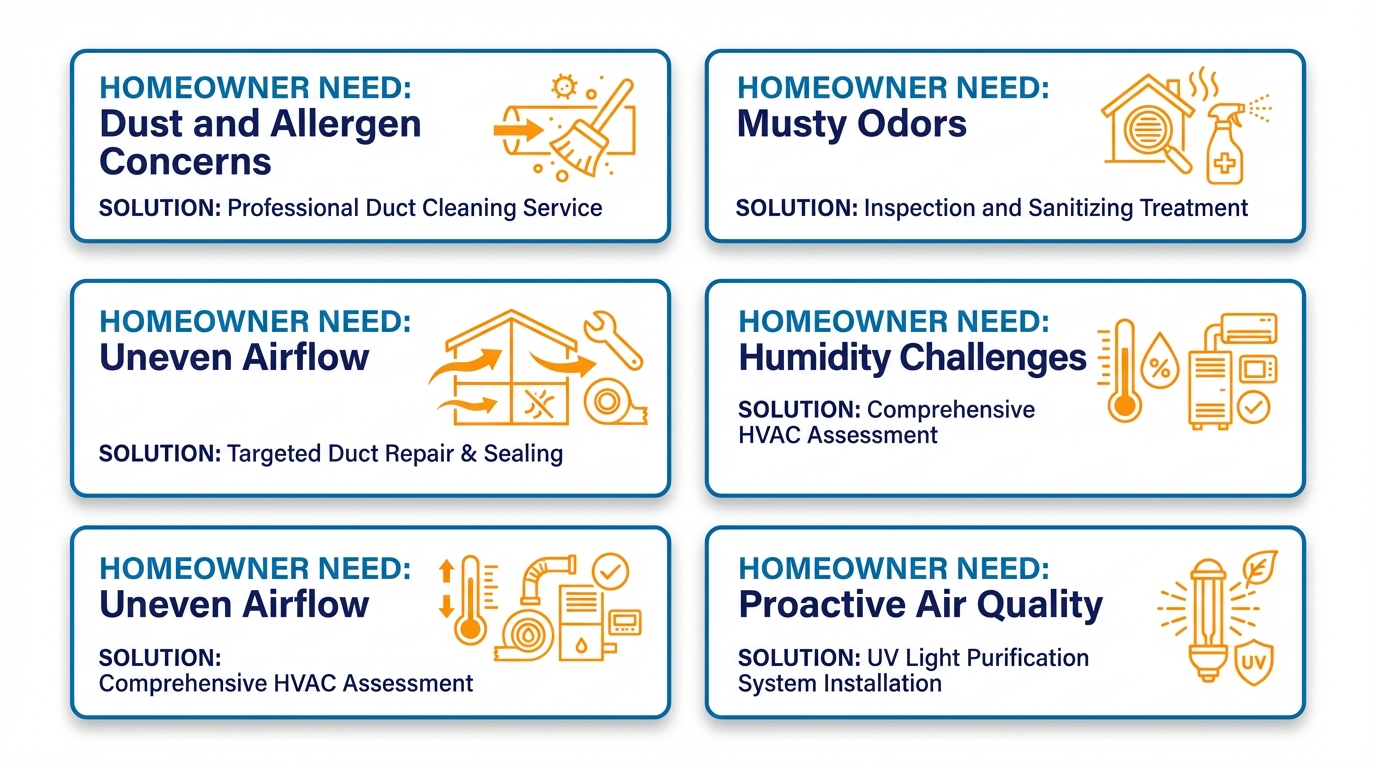
| Homeowner Need | How Clean Air Dallas Pro Helps |
|---|---|
| Persistent dust and allergen concerns | Thorough air duct cleaning removes accumulated debris from the entire duct system |
| Musty odors or suspected biological growth | Inspection, cleaning, and sanitizing of ductwork and HVAC components |
| Uneven airflow or rooms that feel stuffy | Airflow testing, duct repair, and sealing to restore balanced air distribution |
| Humidity management challenges | Assessment of HVAC performance and recommendations tailored to Dallas climate conditions |
| Desire for proactive air quality improvement | UV light installation, filter guidance, and scheduled maintenance plans |
Clean Air Dallas Pro brings local experience, professional-grade equipment, and a practical approach to every home. The team understands the specific air quality challenges that Dallas properties face, from seasonal humidity spikes to high pollen counts, and delivers service designed around real conditions rather than generic checklists.
Frequently Asked Questions
Can poor indoor air quality make you sick?
Yes. Pollutants like mold spores, dust mites, VOCs, and carbon monoxide can cause symptoms ranging from headaches and fatigue to chronic respiratory issues. If symptoms improve when you leave the home, the indoor environment is a likely contributing factor.
What are the most common indoor air pollutants?
Dust and particulate matter, mold spores, pet dander, volatile organic compounds from household products, combustion byproducts from gas appliances, and radon are among the most frequently identified indoor pollutants in residential settings.
How often should I change my HVAC air filter?
A general guideline is every 90 days, but homes with pets, allergy-sensitive residents, or heavy HVAC use during Dallas summers may benefit from monthly checks and more frequent replacements.
Does air duct cleaning actually improve indoor air quality?
When performed by a qualified professional, air duct cleaning removes accumulated dust, debris, and biological material from the duct system, reducing the volume of contaminants that recirculate through your home each time the system operates.
Should I test my home for radon?
The EPA recommends testing, especially since radon is an odorless and colorless gas. If levels reach 4 pCi/L or higher, mitigation is advised. Testing kits are available at hardware stores, and professional testing provides more precise results.
Why does my house feel humid even with the AC running?
Possible causes include an oversized or aging AC unit that cycles too quickly to dehumidify effectively, duct leaks drawing in unconditioned air, poor insulation, or insufficient ventilation in kitchens and bathrooms. A professional HVAC evaluation can pinpoint the issue.
Do air purifiers replace the need for duct cleaning?
Air purifiers can reduce airborne particles in a single room, but they do not address contaminants that have settled inside ductwork. For whole-home improvement, combining duct cleaning with quality filtration and, when appropriate, UV light purification delivers the most comprehensive results.
Ready to Find Out What Is Really in Your Home’s Air?
If your Dallas home feels dusty, stuffy, or just not as fresh as it should, the air circulating through your ducts may be telling you something. Rather than guessing, take the practical next step. Clean Air Dallas Pro offers professional air duct cleaning, air quality assessment, duct repair, and a full range of indoor air quality services designed specifically for Dallas homes and businesses.
🌬️ Cleaner Air Starts With Knowing What You’re Breathing
Join the thousands of Dallas families who chose Clean Air Dallas Pro for healthier indoor air. Free estimates available — but summer appointment windows are limited.
Contact Clean Air Dallas Pro Now →
📞 Same-week scheduling available for most Dallas zip codes

About the Author
This guide was written by the indoor air quality specialists at Clean Air Dallas Pro. With years of hands-on experience serving Dallas-Fort Worth homeowners, the Clean Air Dallas Pro team combines certified HVAC expertise with deep knowledge of local climate challenges. From air duct cleaning and mold remediation to UV light installation and attic insulation, the team is committed to helping every Dallas family breathe cleaner, healthier air at home. Their work has earned the trust of thousands of satisfied customers across the Dallas metropolitan area.